
Call us now :07971459879
 Send Inquiry
 Send Inquiry
HDPE Pipes
HDPE Pipes Specification
- Tensile Strength
- >20 MPa
- Sealing Type
- Leak proof fusion joints
- Yield Strength
- 19 MPa
- Flexibility
- High
- Bend Radius
- 15 times the pipe OD (approx.)
- Tolerance
- 1% on diameter
- Connection Type
- Butt weld, Socket, Mechanical Coupler
- Coating Type
- Uncoated (Intrinsic material properties)
- Diameter
- 20 mm to 630 mm
- Thread Type
- Not threaded (fusion jointed/coupling)
- Product Type
- HDPE Pipes
- Material
- High Density Polyethylene (HDPE)
- Connection
- Butt Fusion, Electrofusion, Flange, Compression Fittings
- Shape
- Round
- Standard
- IS 4984:2016, ISO 4427
- Surface Treatment
- Smooth finish
- Outer Diameter
- 20 mm to 630 mm
- Section Shape
- Circular
- Length
- 6 m, 12 m or as per requirement (coils for smaller diameters)
- Thickness
- 2 mm to 50 mm
- Color
- Black with Blue Stripes
- Usage
- Water supply, Gas distribution, Industrial applications, Sewage
- Rated Pressure
- PN 2.5 to PN 16 (2.5 bar to 16 bar)
- Material Grade
- PE63, PE80, PE100
- UV Stabilization
- Yes, UV stabilized for outdoor use
- Life Expectancy
- 50 years under normal conditions
- Density
- 0.941-0.965 g/cm3
- Burst Pressure
- 2.5 to 4 times rated pressure
- Impact Resistance
- Excellent
- Approval
- WRAS, ISO certified
- Elongation at Break
- >350%
- Packaging Type
- Coils or straight lengths, as per customer need
- Hydraulic Roughness Coefficient (C value)
- 150
- Jointing Method
- Butt welding, Electrofusion, Compression joints
- Corrosion Resistance
- 100% rust and corrosion free
- Resistance to Chemicals
- Excellent against most chemicals, acids and alkalies
HDPE Pipes Trade Information
- Main Domestic Market
- All India
About HDPE Pipes
We are manufacturing, exporting and supplying premium quality HDPE Pipes that are mainly used for pipe line assembly. Also, these pipes are used for designing a variety of lighting standards, decorative sculptures for street-scape, parks, rail light stops and bus stands, shopping mall, community centers and more. Offered pipes are manufactured at our modern manufacturing unit under the guidance of our professionals by making use of premium quality raw materials and sophisticated technology. Tested by our quality experts on various parameters to ensure their durability, these HDPE Pipes can be availed from us at market-competent prices.
Features:
-
Robust construction
-
Easy to install
-
High tensile strength
-
Smooth surface finish
Advanced Jointing Techniques
HDPE Pipes support multiple jointing methods, including butt welding, electrofusion, and compression joints. These options facilitate secure, leak-proof installations suitable for diverse applications. The versatility in connection types (butt fusion, electrofusion, flange, mechanical) makes HDPE pipes adaptable for a variety of projects, assuring efficiency and long-term reliability in pipeline networks.
Superior Durability and Longevity
Engineered for durability, HDPE pipes offer a life expectancy of up to 50 years with excellent resistance to chemicals, acids, alkalies, and UV exposure. Their high elongation at break (>350%) and remarkable impact resistance ensure they perform well under challenging conditions, making them ideal for demanding water supply, industrial, and sewage environments.
Strict Compliance and Quality Assurance
Certified under WRAS, ISO, and IS 4984:2016 standards, HDPE pipes undergo rigorous quality checks to ensure performance and reliability. They exhibit precise dimensional tolerances (1%) and high tensile strength (>20 MPa), making them a preferred choice for critical infrastructure projects across India and beyond.
FAQs of HDPE Pipes:
Q: How are HDPE pipes joined during installation?
A: HDPE pipes offer various jointing methods such as butt welding, electrofusion, and compression joints. These techniques create leak-proof fusion joints that ensure long-lasting, reliable connections, eliminating the risk of leakage even in high-pressure applications.Q: What are the benefits of using HDPE pipes over traditional metal pipes?
A: HDPE pipes are completely rust and corrosion free, possess high flexibility, and have excellent resistance to most chemicals, acids, and alkalies. Their light weight, smooth internal surface, and UV stabilization make them ideal for outdoor and underground installations, offering low maintenance and a lifespan of up to 50 years.Q: Where can HDPE pipes be used?
A: HDPE pipes are suitable for a wide range of applications including water supply, sewage, gas distribution, and various industrial processes. Their corrosion resistance and chemical stability make them particularly well-suited for both domestic and industrial settings.Q: What is the process for selecting the appropriate HDPE pipe size and pressure rating?
A: Pipe selection is based on application requirements, fluid type, and working pressure. Diameters range from 20 mm to 630 mm, and pressure ratings span PN 2.5 to PN 16. Consulting flow requirements and system specifications ensures the correct pipe grade (PE63, PE80, or PE100) and size are chosen for optimal performance.Q: When should HDPE pipes be used instead of PVC or metal pipes?
A: HDPE pipes are preferable in scenarios demanding high flexibility, resistance to impact, and absolute immunity to rust and corrosionsuch as harsh chemical environments, outdoor installations, or where long continuous lengths are needed.Q: What is the expected service life of HDPE pipes, and what factors influence it?
A: HDPE pipes have a life expectancy of up to 50 years under normal operating conditions. Longevity is influenced by installation quality, operating pressure, method of jointing, and environmental exposure, all of which are accounted for in their robust design and manufacturing standards.Q: How does UV stabilization benefit HDPE pipes used outdoors?
A: UV stabilization protects HDPE pipes from degradation caused by prolonged sunlight exposure. This feature maintains the mechanical properties and integrity of the pipes, ensuring reliable long-term performance in outdoor applications.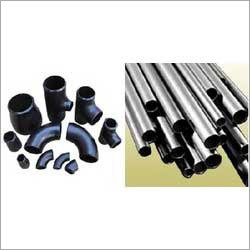
Tell us about your requirement

Price:
Quantity
Select Unit
- 50
- 100
- 200
- 250
- 500
- 1000+
Additional detail
Mobile number
Email

More Products in Pipes And Fittings Category
Pipe Fittings
Material : Stainless Steel
Connection : Other, Welded, Threaded, Socket Weld
Shape : Other, Elbow, Tee, Reducer, Coupling
Color : Silver/Grey
Section Shape : Round
Product Type : Other, Pipe Fittings
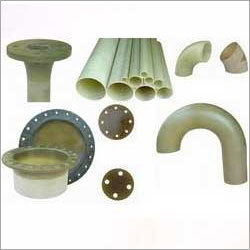
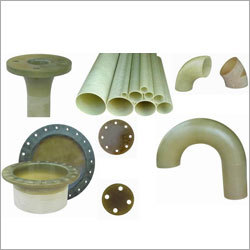
FRP Pipe Fittings
Material : Other , Fiberglass Reinforced Plastic (FRP)
Connection : Other, Socket, Flanged, Threaded
Shape : Other, Elbow, Tee, Reducer, Coupling, Flange, End Cap
Color : Green, Blue, Grey
Section Shape : Round
Product Type : Other, FRP Pipe Fittings
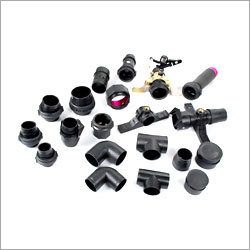
HDPE Pipe Fittings
Material : Other , High Density Polyethylene (HDPE)
Connection : Other, Butt Fusion, Electrofusion, Socket Fusion, Compression Fitting
Shape : Other, Elbow, Coupler, Tee, Reducer, Flange, Adapter, End Cap (various shapes available)
Color : Black with blue/green stripes
Section Shape : Round
Product Type : Other, HDPE Pipe Fittings
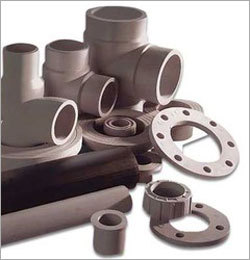
PPH Pipe Fittings
Material : Other , Polypropylene Homopolymer (PPH)
Connection : Other, Socket weld, Threaded, Flanged, Butt weld
Shape : Other, Elbow, Tee, Coupler, Reducer, Union, Flange, End Cap, Adapter
Color : Grey
Section Shape : Round
Product Type : Other, PPH Pipe Fittings

"We are mainly dealing with bulk quantity order inquiries."
 Send Inquiry
Our Products
- PVC Pipes And Fittings
- Plastic Sheets
- FRP Grating
- Bolts
- Anti Corrosion Products
- Polypropylene Lining
- HDPE Pipes
- PVC Sheet
- HDPE Tank
- FRP Scrubbers
- FRP Cable Tray
- Diaphragm Valve
- Butterfly Valve
- Plastic Ball Valve
- Puddle Flange
- PP Pall Rings
- Pipes And Fittings
- Acid Resistant Lining
- PPR FR PIPE
- Plastic Rods
- Plastic Tanks
- PP/ Frp Tank
- Scrubbers
- FRP Sheet


Plot No.- 75, Service Industrial Area, Sec- 1, Nerul,Navi Mumbai - 400706, Maharashtra, India

Mr. Vikram Singh Rajpurohit
(Partner)
Mobile :07971459879
 Send Inquiry
 Send SMS
Developed and Managed by Infocom Network Private Limited.
