
Call us now :07971459879
 Send Inquiry
 Send Inquiry
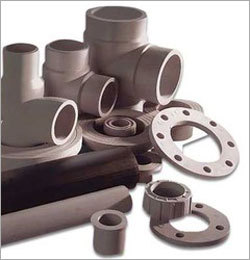
FRP Pipe Fittings
FRP Pipe Fittings Specification
- Thread Type
- BSP, NPT (for threaded fittings)
- Sealing Type
- Rubber Gasket, PTFE Gasket
- Tensile Strength
- 120 MPa
- Bend Radius
- Dependent on fitting geometry; typically 1.5D 2.5D for elbows
- Connection Type
- Socket weld, Flange joint, Threaded
- Yield Strength
- 70 MPa
- Flexibility
- Medium (subject to fitting type)
- Tolerance
- 0.5 mm
- Product Type
- FRP Pipe Fittings
- Material
- Fiberglass Reinforced Plastic (FRP)
- Connection
- Socket, Flanged, Threaded
- Shape
- Elbow, Tee, Reducer, Coupling, Flange, End Cap
- Standard
- ASTM D2996, ASTM D2310, BS EN 14364
- Surface Treatment
- Smooth Resin Coated
- Outer Diameter
- 25 mm to 1000 mm
- Section Shape
- Round
- Length
- Customized / As per requirement
- Thickness
- 3 mm to 20 mm
- Color
- Green, Blue, Grey
- Usage
- For industrial piping, chemical transport, water supply
- Rated Pressure
- Up to 16 bar
- Material Grade
- Isophthalic, Vinyl Ester, Epoxy, Orthophthalic
- Application
- Chemical Plants, Water Treatment, Sewage, Cooling Systems
- UV Resistance
- Excellent, UV stabilized outer layer
- Life Expectancy
- 20+ years under normal operating conditions
- Installation Method
- Adhesive bonding, mechanical joint
- Impact Resistance
- High, suitable for industrial environments
- Fire Retardance
- Available as option (on request)
- Weight
- 1.5 to 3.2 kg/m (depending on size and wall thickness)
About FRP Pipe Fittings
We hold immense experience in this industry by indulging ourselves in manufacturing and supplying a wide range of FRP Pipe Fittings. These fittings are manufactured using FRP material and pioneering technology in compliance with set quality standards. The provided pipe fittings are extensively used in various industries like oil, water, petrochemical and many more. Furthermore, we offer these FRP Pipe Fittings at cost effective rates to the clients.
Features:
-
Dampens vibration
-
Higher conveying ability
-
FDA compliant: Non toxic
-
Excellent thermal insulation
-
Seamless construction
-
Easy installation and repair
-
High strength to weight ratio
-
Lower thermal conductivity
Exceptional Durability and Safety
Designed for industrial settings, these FRP pipe fittings feature a UV-stabilized outer layer and an optional fire retardant finish, delivering high impact resistance and longevity (20+ years). The fittings comply with rigorous ASTM D2996, ASTM D2310, and BS EN 14364 standards, ensuring consistent quality and performance. Their robust construction makes them suitable for transporting chemicals, wastewater, and industrial process fluids safely.
Versatile Installation and Wide Applications
FRP fittings are available in elbow, tee, reducer, coupling, and more. Installation is simple and adaptable, utilizing adhesive bonding, mechanical joints, and multiple connection methods (socket, flange, and threaded). Their flexibility and customizable size (25 mm to 1000 mm outer diameter) make them ideal for a broad range of industrial applications, including chemical plants, water supply infrastructure, cooling circuits, and sewage networks.
FAQs of FRP Pipe Fittings:
Q: How are FRP pipe fittings installed in industrial piping systems?
A: FRP pipe fittings are installed using adhesive bonding or mechanical joints, with options for socket, flanged, or threaded connections. The process is straightforward, requiring surface preparation for optimal adhesion or proper tightening of mechanical fittings. Installers can choose suitable sealing options such as rubber or PTFE gaskets to ensure leak-free performance.Q: What benefits do FRP fittings offer for chemical plants and water treatment systems?
A: These FRP fittings deliver high chemical resistance, excellent impact and UV protection, and corrosion resistance, making them ideal for harsh fluids and environmental conditions found in chemical plants and water treatment systems. Their smooth resin-coated surfaces also minimize scaling and friction losses.Q: When is the fire retardant option recommended for FRP pipe fittings?
A: The fire retardant option is recommended when FRP pipe fittings are used in environments where elevated fire safety standards are required, such as chemical process areas or industrial plants handling flammable substances. This option is available upon request to enhance material safety.Q: Where can these FRP pipe fittings be utilized effectively?
A: FRP pipe fittings are widely used in industrial environmentsespecially in chemical plants, sewage systems, water treatment plants, and cooling water circuits. Their versatility and durability make them suitable for facilities that require long-term reliability and resistance to environmental stresses.Q: What is the expected lifespan and maintenance requirement for these fittings?
A: Under normal operating conditions, the life expectancy exceeds 20 years due to the impact-resistant FRP material and UV-stabilized coating. Maintenance needs are minimal, as the fittings resist corrosion and degradation, though regular inspections are advised to ensure integrity.Q: How do I choose the correct FRP fitting size and thickness for my project?
A: Selection depends on the operational pressure, fluid type, and connection method. Fittings are available in a wide range of diameters (25 mm to 1000 mm) and thicknesses (3 mm to 20 mm). It is important to consult with the manufacturer or supplier, considering factors like pressure rating (up to 16 bar) and application specifics.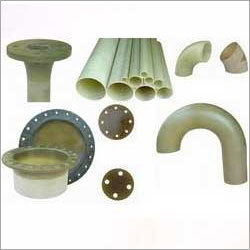
Tell us about your requirement

Price:
Quantity
Select Unit
- 50
- 100
- 200
- 250
- 500
- 1000+
Additional detail
Mobile number
Email

More Products in Pipes And Fittings Category
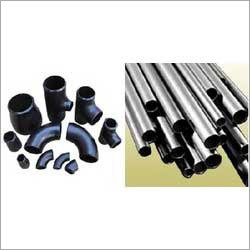
HDPE Pipes
Product Type : Other, HDPE Pipes
Shape : Round
Color : Black with Blue Stripes
Connection : Other, Butt Fusion, Electrofusion, Flange, Compression Fittings
Section Shape : Other, Circular
Material : Other , High Density Polyethylene (HDPE)
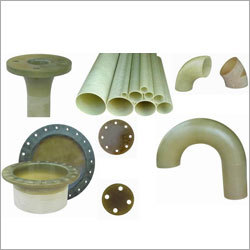
Pipe Fittings
Product Type : Other, Pipe Fittings
Shape : Other, Elbow, Tee, Reducer, Coupling
Color : Silver/Grey
Connection : Other, Welded, Threaded, Socket Weld
Section Shape : Round
Material : Stainless Steel
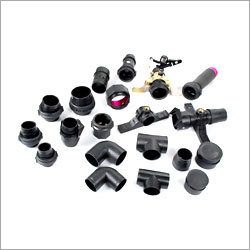
HDPE Pipe Fittings
Product Type : Other, HDPE Pipe Fittings
Shape : Other, Elbow, Coupler, Tee, Reducer, Flange, Adapter, End Cap (various shapes available)
Color : Black with blue/green stripes
Connection : Other, Butt Fusion, Electrofusion, Socket Fusion, Compression Fitting
Section Shape : Round
Material : Other , High Density Polyethylene (HDPE)
PPH Pipe Fittings
Product Type : Other, PPH Pipe Fittings
Shape : Other, Elbow, Tee, Coupler, Reducer, Union, Flange, End Cap, Adapter
Color : Grey
Connection : Other, Socket weld, Threaded, Flanged, Butt weld
Section Shape : Round
Material : Other , Polypropylene Homopolymer (PPH)

"We are mainly dealing with bulk quantity order inquiries."
 Send Inquiry
Our Products
- PVC Pipes And Fittings
- Plastic Sheets
- FRP Grating
- Bolts
- Anti Corrosion Products
- Polypropylene Lining
- HDPE Pipes
- PVC Sheet
- HDPE Tank
- FRP Scrubbers
- FRP Cable Tray
- Diaphragm Valve
- Butterfly Valve
- Plastic Ball Valve
- Puddle Flange
- PP Pall Rings
- Pipes And Fittings
- Acid Resistant Lining
- PPR FR PIPE
- Plastic Rods
- Plastic Tanks
- PP/ Frp Tank
- Scrubbers
- FRP Sheet


Plot No.- 75, Service Industrial Area, Sec- 1, Nerul,Navi Mumbai - 400706, Maharashtra, India

Mr. Vikram Singh Rajpurohit
(Partner)
Mobile :07971459879
 Send Inquiry
 Send SMS
Developed and Managed by Infocom Network Private Limited.
