
Call us now :07971459879
 Send Inquiry
 Send Inquiry
FRP Scrubbers
FRP Scrubbers Specification
- Thickness
- 5 mm to 20 mm as per design
- Usage & Applications
- Industrial exhaust systems, chemical plants, fertilizer units, effluent treatment plants
- Temperature
- Up to 120C continuous operation
- Density
- 1.9 Gram per cubic centimeter(g/cm3)
- Thermal Conductivity
- 0.25 W/mK
- Shape
- Cylindrical vertical/horizontal configuration
- GSM
- 9001200 GSM
- Material
- FRP (Fiberglass Reinforced Plastic)
- Application
- Air pollution control, chemical processing, gas scrubbing, odor removal
- Dimension (L*W*H)
- Customized as per requirement
- USB Ports
- 2
- Operating System
- Android
- Refresh Rate
- 60 Hz
- Sleep Timer
- Yes
- Remote Battery Type
- AAA
- Viewing Angle
- 178
- Smart TV Features
- Built-in WiFi, Screen Mirroring
About FRP Scrubbers
We are specialized in offering precision engineered and premium quality FRP Scrubbers. The provided scrubbers are used as scrubbing systems for gases like Cl2, So2, NoX , HCl, H2So4 , Br2, HF, CuSo4 and acid mists, which either develop individually or as a mixture in various chemicals, pharmaceuticals, dyes, intermediates, fertilizers and steel processing plants. These scrubbers are fabricated using the finest quality FRP and ultra-modern technology in compliance with the prevailing industry quality standards. The offered scrubbers are tested on various quality parameters to ensure their high strength. Further, these FRP Scrubbers are made available in varied specifications as per the requirements of our clients.
Features:
-
Low maintenance
-
Accurate dimensions
-
High strength
-
Maintenance free
Advanced Gas Scrubbing Solutions
Our FRP Scrubbers are engineered to deliver high-efficiency removal of contaminants from industrial exhausts, ensuring effective air pollution control. The customizable configurations accommodate various gas types, including highly acidic and alkaline streams, making them suitable for diverse environments.
Durability for Demanding Conditions
Constructed from fiberglass reinforced plastic with a high-density and low thermal conductivity, these scrubbers withstand harsh chemicals, intensive UV exposure, and continuous operation at elevated temperatures. The light grey or green finishes are standard, but custom colors are available to match facility aesthetics.
Tailored to Your Process Needs
Choose from a wide diameter range, customizable inlet/outlet sizes, and select from different internal packings to maximize efficiency based on specific process requirements. Inspection ports, shape, and additional features are provided as per client request, ensuring seamless integration with your industrial setup.
FAQs of FRP Scrubbers:
Q: How do FRP Scrubbers function in industrial air pollution control?
A: FRP Scrubbers work by directing polluted gas streams through a packed bed where contaminants are absorbed and neutralized using various packing materials. With excellent chemical resistance, they effectively remove harmful pollutants from exhaust systems in industries such as chemical plants and fertilizer units.Q: What makes these scrubbers suitable for both acidic and alkaline gases?
A: Designed with robust FRP material and appropriate internal packing (like PP rings or PVDF saddles), our scrubbers operate efficiently across a full pH range (1 to 14), handling both strongly acidic and alkaline gases without corrosion or material degradation.Q: When is it necessary to include inspection ports in an FRP scrubber?
A: Inspection ports are generally recommended based on client maintenance preferences and regulatory requirements. These ports facilitate routine inspection, cleaning, and servicing to ensure the scrubber maintains peak performance over time.Q: Where are FRP Scrubbers commonly used?
A: These scrubbers are widely deployed in industrial exhaust systems, effluent treatment plants, chemical processing facilities, and fertilizer manufacturing units across India, efficiently removing hazardous gases and odors from process streams.Q: What is the process for customizing an FRP scrubber to specific requirements?
A: Clients can specify dimensions, inlet/outlet sizes, internal packing material, inspection port locations, color, and shape. Our team consults closely to design the scrubber configuration best suited for their operational needs, ensuring seamless installation and optimal results.Q: How should FRP Scrubbers be maintained for long service life?
A: Routine inspection, particularly around inspection ports, cleaning of the internal packing, and periodic checks for wear or leaks are recommended. Thanks to their chemical and UV resistance, the scrubbers require less frequent maintenance compared to conventional materials.Q: What benefits do FRP Scrubbers offer over traditional materials?
A: FRP Scrubbers provide superior resistance to corrosive chemicals and UV exposure, lightweight construction for easy installation, low thermal conductivity for energy efficiency, and customizable features, making them a cost-effective solution for long-term industrial use.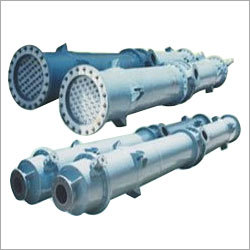
Tell us about your requirement

Price:
Quantity
Select Unit
- 50
- 100
- 200
- 250
- 500
- 1000+
Additional detail
Mobile number
Email


"We are mainly dealing with bulk quantity order inquiries."
 Send Inquiry
Our Products
- PVC Pipes And Fittings
- Plastic Sheets
- FRP Grating
- Bolts
- Anti Corrosion Products
- Polypropylene Lining
- HDPE Pipes
- PVC Sheet
- HDPE Tank
- FRP Scrubbers
- FRP Cable Tray
- Diaphragm Valve
- Butterfly Valve
- Plastic Ball Valve
- Puddle Flange
- PP Pall Rings
- Pipes And Fittings
- Acid Resistant Lining
- PPR FR PIPE
- Plastic Rods
- Plastic Tanks
- PP/ Frp Tank
- Scrubbers
- FRP Sheet


Plot No.- 75, Service Industrial Area, Sec- 1, Nerul,Navi Mumbai - 400706, Maharashtra, India

Mr. Vikram Singh Rajpurohit
(Partner)
Mobile :07971459879
 Send Inquiry
 Send SMS
Developed and Managed by Infocom Network Private Limited.
